How to Safely Dispose of an Old Car Seat

We’ve held on to Sofie’s convertible car seat just in case we had a second child. That doesn’t appear to be happening, and now I’m ready to clear out much of the baby stuff that’s hogging precious storage space in our basement. Which brought up the question: What can I do with her old car seat?

how-to-dispose-child-car-seat

Can I Donate It?

A car seat can only be passed on to someone else if it has never been in an accident and has not gone past the manufacturer’s expiration date. Even though Sofie’s 2006 car seat is accident-free and still in good condition, it is too old to safely donate. Most manufacturers list an expiration date on the seat, and if you can’t find one, six years is often considered the limit. Why? The materials degrade over time, especially from the intense ultraviolet light coming through car windows. This compromises their safety benefits. Consult the National Highway Traffic Safety Administration for more details on car seat safety.

Graco-car-seat-expiration-date

Look for the expiration date on the back or bottom of the car seat.

Can I Recycle It?

Some cities in the United States offer car seat recycling drop-off centers (Seattle, Portland and Boulder, to name a few). I contacted the Rhode Island Resource Recovery Corporation to find out about recycling options in my state. While we have no drop-off centers, the Recycling Program Manager informed me that if I disassembled the car seat myself, I could then drop off the plastic and fabric components at their facility for recycling. (Those parts are not accepted in the curbside recycling program.)

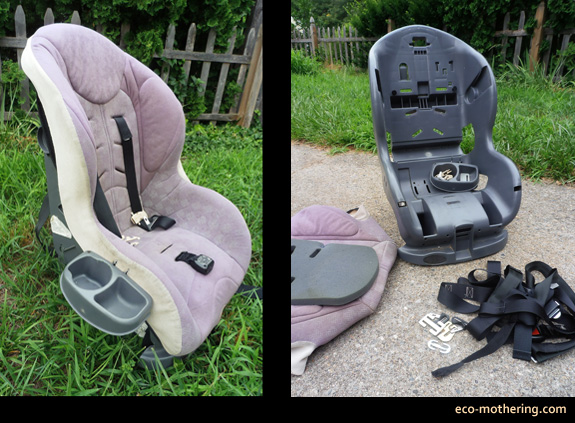
Fabulous. It took me all of about ten minutes to disassemble the car seat (I was slightly disturbed by this) and to separate it into its plastic, fabric and metal components.
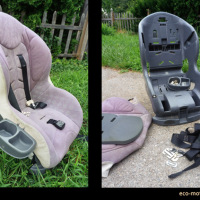
car-seat-disassembly

Sofie’s expired car seat before and after disassembly for recycling.

Note: If your area does not recycle car seats, saw the plastic shell in half (or destroy it some other way) before putting it in the trash. This ensures that no one else can use an unsafe child seat. Some people suggest using permanent marker to write “Trash” and “Unsafe” on the shell.

Why don’t more cities offer recycling centers? It is usually not cost-efficient for them to do so. The return they receive on recycling the components (about 15 cents per pound) is not enough to offset the staffing cost to disassemble and separate car seats. However, some towns will offer one-day community recycling events to which you can bring your car seat (and usually other bulky items as well). Check with your local town office or recycling center to learn more.

Ideally, the responsibility would lie with the car seat manufacturer under something called Extended Producer Responsibility (EPR), which requires manufacturers to be engaged in the entire lifecycle of a product, including disposal. EPR is already firmly established in Europe and parts of Asia. This kind of legislation in the U.S. would most definitely get companies to seek more eco-friendly, cradle-to-cradle product designs.


Can I Repurpose It?

If you can’t recycle the car seat and don’t want to trash it, perhaps your kids have some creative ideas for reuse? A chair for dolls or stuffed animals? A “rocket ship” seat? A garden planter? A place for Fluffy to curl up? What are your ideas?

This post is featured on Frugal Days, Sustainable Ways and Tuned-In Tuesdays.
Top 5 Recycling Bins from Around the World

With Earth Day approaching (April 22), I was doing some research on recycling and stumbled upon these visuals of recycle bins in other countries. So varied and unique! It’s nice to see that recycling can be stylish too.


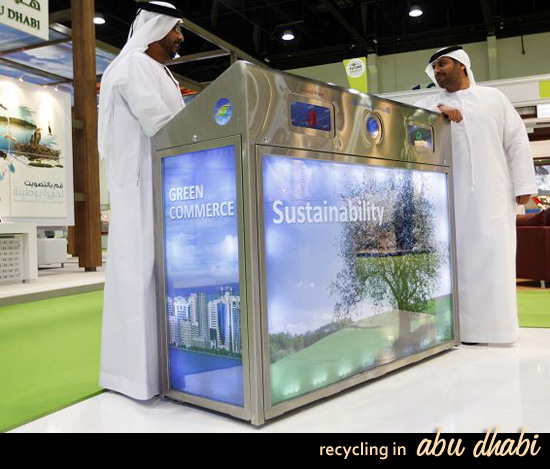
Abu Dhabi, United Arab Emirates

These sleek, stainless-steel bins debuted in 2010 with solar-powered advertising space on the receptacles. Excellent dual eco purpose.

Italy

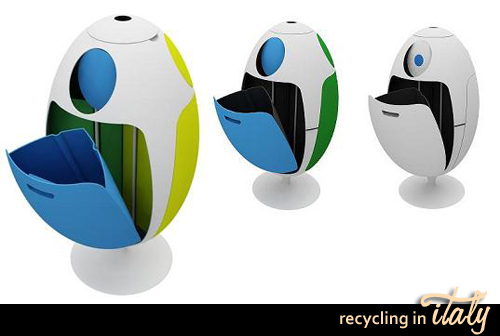
These stylish bins come from Italian architect and designer Gianluca Soldi. Soldi, who specializes in bio-architecture, first presented the Ovetto (Italian for “egg”) Recycling Bin at the 2008 London Design Festival. The containers are made of recycled polypropylene and come with brightly colored applique stickers to identify the separate compartments.

ecomothering-recycle-bins-italy

Ovetto Recycling Bin by Gianluca Soldi

Switzerland

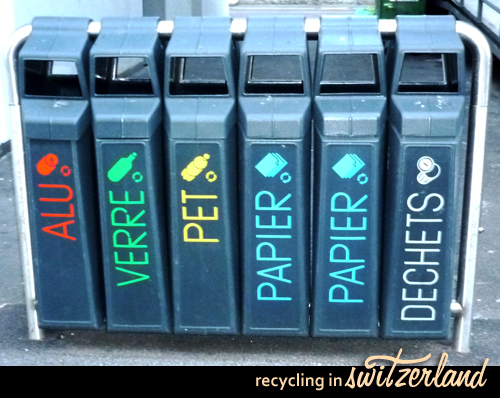
In the typical style of Swiss clean design, even their trash bins looks sleek and pretty. These particular bins were photographed in downtown Lausanne.

ecomothering-recycle-bins-switzerland

Photo: Cecile Henrot

Egypt

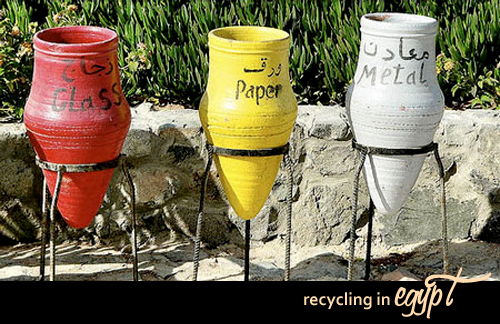
These are cute little shapes, with the emphasis on “little.” Apparently, the Egyptians don’t expect much recycling?

ecomothering-recycle-bins-egypt

Germany

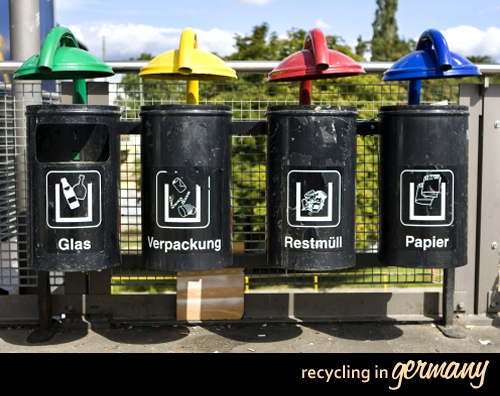
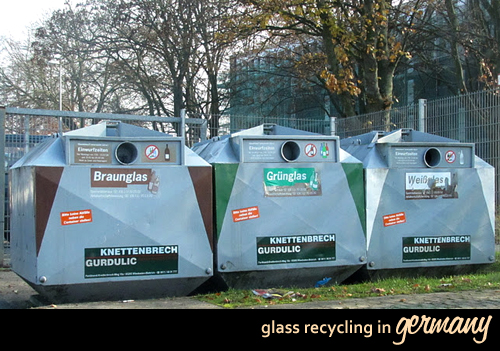
Germans are serious about recycling (it’s against the law NOT to) with lots of rules and separations (e.g.: separating colored clear, green and brown glass). They also seem to have a variety of bin types as shown in the following photos.

ecomothering-recycle-bins-germany1

Photo by Casey

ecomothering-recycle-bins-germany2

Photo by Casey

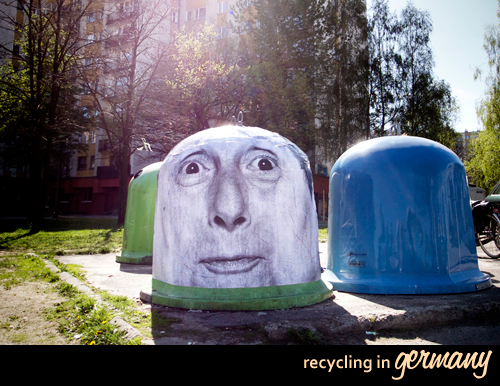
Those rigid German regulations lead to some creative acts of vandalism. Below, a city recycling bin is decorated from Mentalgassi, a German street art group who covers urban objects with photos.


And here’s a few more images for fun:

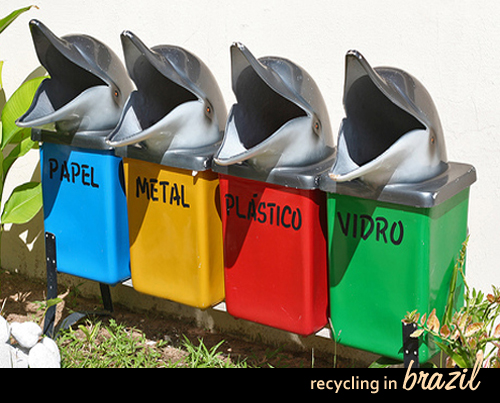
ecomothering-recycle-bins-Brazil


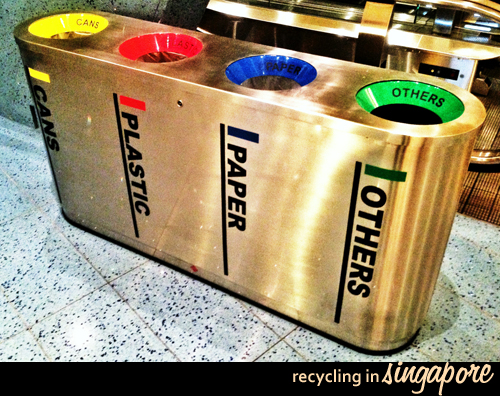
ecomothering-recycle-bins-singapore

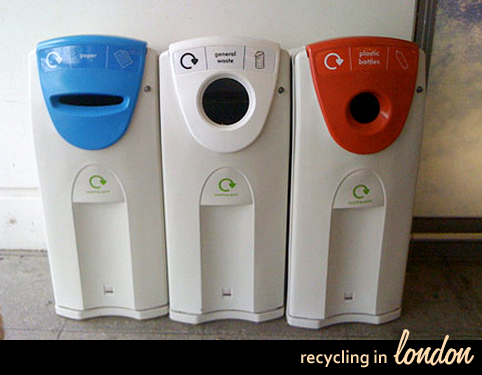
ecomothering-recycle-bins-london

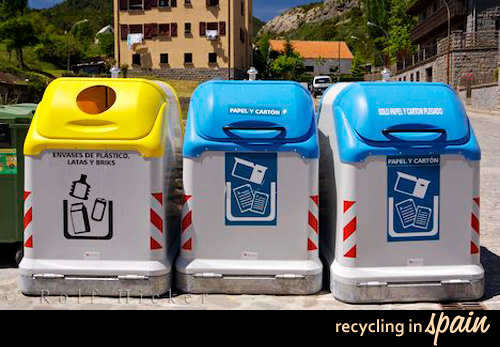
ecomothering-recycle-bins-spain

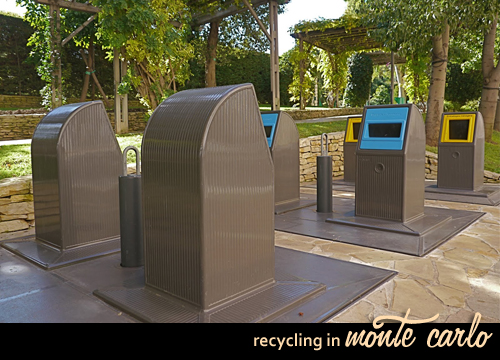
ecomothering-recycle-bins-monte-carlo

Photo by Jilly

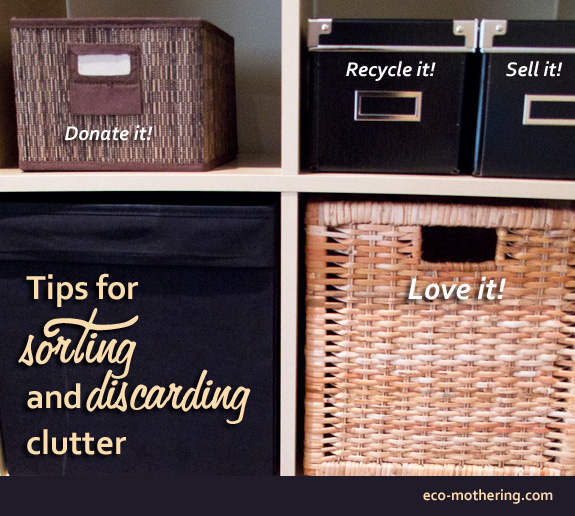
SPRING CLEANING, PART 2: Tips for Sorting and Discarding

This is part 2 of my Spring Cleaning series. Read Part 1: The Energetic Benefits of De-Cluttering.

When cleaning, it is often tempting to: (1) Simply move piles from one location to another, or (2) Toss everything into the trash. Those seem to be the quickest, most convenient options, and I admit that I have done both before. However, on my latest round of de-cluttering, I’m determined to actually rid my home of stuff we don’t need while finding alternatives to the local landfill.

This makes the process quite a bit longer, however, it can also be more rewarding. For example, now is a good time to sell your unwanted gold as it’s worth about $1,500 per ounce. After digging through my box for jewelry that hasn’t seen the light of day since George Bush, Sr. was in the White House, I made several hundred dollars on broken gold chains and high school charms I had no more use for. (I recommend Goldfellow as a trustworthy site; they insure your gold up to $1,000.)

Deciding what to get rid of is a task in itself. Here are some questions to ask yourself as you sort through your stuff.

    • Does it have monetary value?

      If so, then research how to get that money. Antique stores, eBay and craigslist are all options for selling items. I’ve been dragging my baseball card collection around for years, thinking that one day it will make me rich. Well, I finally looked online to see what they were worth. Sadly, I learned that baseball cards were overproduced in the 1990s (which accounts for the bulk of my collection), and, therefore, have little value. A rookie card here or there (Derek Jeter) might bring a good price after the player retires, but I won’t be sending Sofie to college on this. My cards might be better off in the hands of some baseball enthusiast.

    • Does it have strong emotional value?

      Be tough here. For me, the family photos will never go, and neither did a few of my childhood stuffed animals, which Sofie loves today. However, I’ve been keeping a bin of sentimental baby clothes thinking that I’d make Sofie a quilt from their fabrics. Who am I kidding? I’m not a sewer. My free time is never going to be spent making a quilt. I have to be honest here and realize her old clothes would serve another child better.


  • Will I use it within the next year?

    We carry many things with us for a rainy day that never comes. As if these things could never be bought or found again. A case in point would be the heavy box of soy wax flakes I’ve carted around since my eco-friendly candle-making days of 2004. That’s nine years. It’s time for the soy wax to go to someone who can use it now (via freecycle or craigslist). If I ever do get back into candle-making, I’m sure I can find the necessary supplies again, even through those same sources.

  • Does it make my heart sing?

    This is a guideline I’ve learned from practicing Feng Shui, which I touched on in my previous post. The objects in your home emanate energy, so it’s best to only keep those things in your home that add to the flow of good energy. Do you grimace every time you look at Aunt Ruth’s ugly antique armchair? Are there CDs on your shelf that remind you of bad relationships? That’s negative energy in your home. Pass the chair to a relative who appreciates it. Sell or donate the CDs. Keeping things out of obligation or guilt brings your energy level way down. Save precious space for the stuff you love.

  • Can this be recycled or donated?

    When I’m in de-cluttering mode, I fill up our town recycle bin rather quickly with old papers. What to do with the other stuff?

    • I posted on Facebook about some large bags of lavender milk tea, and two friends grabbed them.
    • I save clothes for donation, consignment or swaps. My clothing rule is to not let it sit in the basement for more than a few months. If there’s no swap in that time, off it goes to some donation box.
    • Arrange a general swap or yard sale with friends. Everybody has unwanted stuff that is someone else’s treasure.
    • Search online - you’ll be surprised what you can recycle (crayons) or get cash for (cardboard boxes, printer cartridges, scrap metal in Rhode Island, iPhones and iPads, almost anything on Amazon).
    • If all else fails, donate to the Salvation Army or local organization.

When you take the time to sort through your stuff and research discard options, you’re left with a happier home, a happier planet and, possibly, a happier bank account.

Stay tuned for next week when I finish my Spring Cleaning series with a post on natural household cleaners.

Top 5 Ways Super Bowl XLVII is Going Green

I’ve watched the Super Bowl—for the game and the commercials—every year as long as I can remember. I am a sports fan, and Super Bowl Sunday is a great reason to cozy up with friends, 3-bean chili and a hot toddy. (Thanks for the recipe, Vanessa!) The event is not usually something you think of as being eco-friendly.

However, this year’s Super Bowl is being touted as the “greenest Super Bowl ever.” So green they even set up a New Orleans Super Bowl Host Committee Environmental Program.

Here are the top 5 ways organizations are pitching in to make the big game sustainable.

  1. Planting a record number of trees. In the months leading up to the Super Bowl, the NFL and New Orleans Super Bowl Environmental Committee partnered with Hike for KaTREEna to plant 7,000 trees in and around New Orleans (over 100,000 were lost during Hurricane Katrina). This breaks the previous record by a Super Bowl host city (Dallas with 5,000) and, on Super Saturday, will culminate in 20,000 trees that have been planted as part of Hike for KaTREEna’s efforts to re-green NoLa.
  2. Energy-efficient lighting for players and fans. The Superdome has undergone a $336 million dollar upgrade since Hurricane Katrina. That includes more than 26,000 high-efficiency LED lights on the dome’s exterior. When operating in one color, the system uses only 10 kilowatts of electricity. And no bulbs should need to be replaced until 2057. In addition, Green Light New Orleans and Super Bowl volunteers have spent the week leading up to the big game installing 80,000 free CFL light bulbs in the homes of local New Orleans residents.
  3. Committing to carbon offsets. Fans compete for prizes in the Geaux Green Game. Pick your team, commit to a number of eco-friendly actions for 2013 and get entered into a drawing. So far, football fans have pledged to save over 22,240,000 pounds of carbon dioxide from being emitted into the atmosphere—the equivalent of removing 1,984 cars from the road for a year! I made the pledge through my hometown Philadelphia Eagles who currently rank last in their division for carbon offsets. Philly fans just can’t get a break. Super Bowl fans can offset their game day travel by choosing one of three projects from which to purchase credits (including a forest conservation initiative and a methane-capture project). Local utility company, Entergy Corp., will match the offsets dollar for dollar.
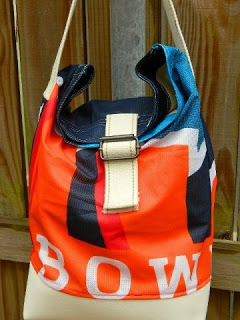
  4. Repurposing materials. REpurposingNOLA is a woman-owned, triple bottom line New Orleans company that uses reclaimed materials to create designer products. Super Bowl XLVII carpeting, banners and signage will be donated to this and other companies for repurposing efforts. REpurposingNOLA has already debuted a cool 2013 ECO-SPORT bag made form Super Bowl XLIV banners.
  5. Sharing the grub. Second Harvest Food Bank is collaborating with the Super Bowl Host Committee to collect excess prepared foods from 50 Super Bowl events to be hosted in the New Orleans area this week. Collected food will be delivered to soup kitchens and shelters.

2013 ECO-SPORT from REpurposingNOLA

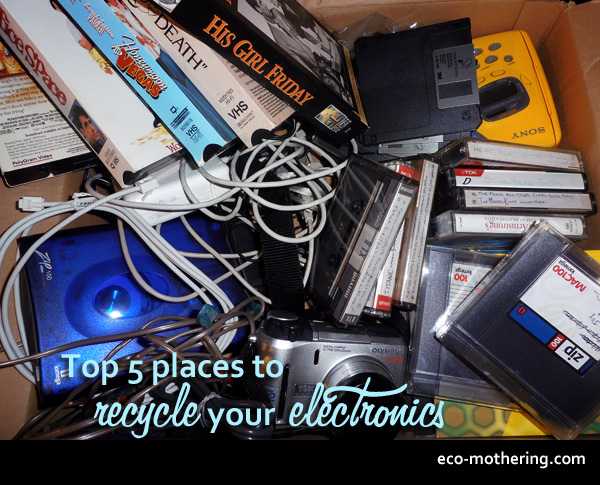
Top 5 Places to Recycle Your Electronics

I’ve been in a de-cluttering process since the fall. Often my cleaning up efforts involve moving piles from one area to another; very little stuff seems to leave the house. This time, I’m actually going through every box of junk in the basement to determine what things we can let go of.

I’m ready to face the fact that we’ve been lugging around containers of cassette tapes, VHS movies and old computer disks for years. Why? I can more easily watch That Thing You Do via streaming Netflix than fire up the old VCR, and those mix tapes from early in our relationship, while touching, can only be heard if we’re riding in my husband’s old Honda. Which we almost never are.

Yet I didn’t want to toss all that material into the trash. It begs the question: how can I safely dispose of old electronics?

  1. GreenDisk This one-stop service not only recycles all your technotrash, they also erase every scrap of data from said electronic materials in order to protect your privacy. A short list of items they accept includes: computers and related devices, CDs, phones, MP3 players, rechargeable batteries, cameras, film, even floppy disks and Beta tapes. You choose the package you want ($10 to ship 25 pounds of stuff, or get a Technotrash Can for the office at varying prices) and they take care of the rest, which involves refurbishing some items and properly recycling the rest.
  2. Best Buy For those who’d rather not pay to get rid of stuff, Best Buy accepts many electronic items for recycling, although their list is not as extensive as GreenDisk. See what items your local Best Buy will recycle.
  3. Back Thru the Future This company offers free CD and DVD recycling (you pay shipping costs). They also offer astonishing facts: (1) It takes 300 cubic feet of natural gas, 2 cups of crude oil and 24 gallons of water to manufacture 1 pound of class 7 plastic or 30 CDs; and (2) one CD takes about 1 million years to decompose in the landfill!
  4. Cash for CDs Make some money on your old CDs, DVDs and games. Enter what you have into this website, and they’ll send you a quote. They even pay for the postage. Gazelle is another site where you can sell or trade old Apple items or smartphones from other carriers.
  5. Freecycle And don’t forget your local Freecycle network. There’s almost always someone who wants something you have. Sign up to receive posts about what’s available or wanted in your area.


Top 5 Reuses for a Cardboard Box

I’ve been de-cluttering the house—slowly—kickstarted by an autumn clearing group at the beginning of the month. My mistake, in hindsight, was tackling the largest problem area, the basement, first.

Our basement is a dwelling area for gardening supplies, tools, tubs of clothing, paper files, art supplies, seasonal items, sports equipment, and a large category of items I’d label as Things That Might Become Useful One Day.

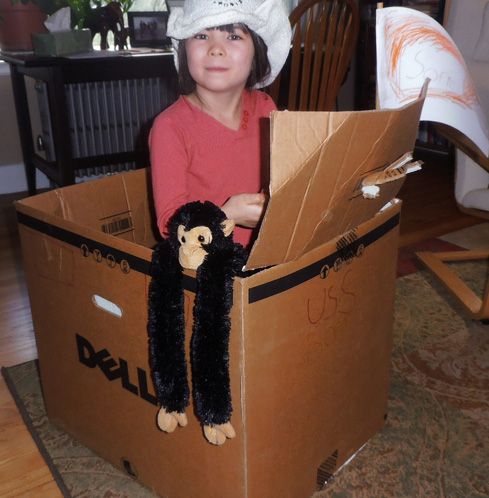
I was excited to empty a box of items that had been down there since we moved in three and a half years ago. The large box was immediately confiscated by Sofie, who saw it and yelled, “My boat!” We dragged it upstairs and it kept her entertained for three days before being abandoned…back in the basement, of courses.

Sofie and Rizzo in her recycled boat.

Sofie and Rizzo in her recycled boat.

However, it did inspire this week’s top 5 reuses for a cardboard box.

  • Boat (or car or other vehicle). Large boxes entice kids to climb into them. Appliance boxes are especially fun – I remember making a backyard clubhouse from one as a kid. I believe Sofie’s boat was inspired by our recent reading of “Christina Katerina and the Box” by Patricia Lee Gauch. The picture book is from 1971, but it’s timeless in its tale of a girl’s fun imagination vs. her mother’s need for a tidy front yard.
  • Dollhouse. Another childhood memory, as my creative mother built my sister and I a multi-room dollhouse for our Barbies. Everything, from the twin beds (empty spaghetti boxes) to the dishes (plastic linings that used to come inside soda bottles caps) was a reuse of some material. I attempted to make such a house for Sofie a few years ago. It started well, and has become one of my most popular blog posts, but I ran out of steam, and, honestly, her dolls seem to prefer having adventures on the floor.
  • Storage. But I mean really nice storage – all prettied up with wrapping or fabric and decorative details. Who knew you could make cardboard look so classy?
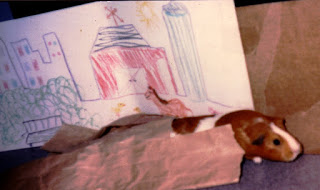
  • Scenery backdrop. If you’ve ever cared for guinea pigs or rabbits as pets, you know how much they like to chew cardboard. It’s actually good for their constantly growing teeth. When my husband and I had guinea pigs in our twenties, we offered them many a leftover box. One day I was inspired to draw this city/farmscape for Serenity to enjoy as she ran around for her daily exercise. I’m not sure what she got out of it, but I smiled every time I saw it.
  • Skateboard or sled. As children, my sister and I flattened cardboard boxes and slid around the carpeted basement to 80s music. Somehow, this activity entertained us for hours. An alternative is the flattened-cardboard-as-downhill-sled. It eventually soaks through, but it sure can slide fast! (Not recommended for little kids.)

View more uses for cardboard boxes on WiseBread and this Pinterest page.

Top 10 Things Our Family Learned From the 2012 EcoChallenge

{Editor’s Note: this is the final day of the 15-day EcoChallenge through the Northwest Earth Institute. You can read about the kickoff here.}

  1. Being outside makes us feel good. I’d forgotten how much since I don’t ride my bike to work anymore. (My husband continues to bike to work daily, even in downpours. He’s my alternative transportation hero!) Meanwhile I’ve gotten used to hopping into a warm car, getting pissed at the bad driver in front of me, and becoming oblivious to the natural world around me. These past two weeks, I’ve felt more connected to nature whether it’s feeling the wind in my ears as I bike to zumba class or inhaling the damp earth and noticing leaves drift downward from their summer perches as I walk in the rain to a nearby meeting. It feels great.
  2. Parts of items can be recycled. Like the cardboard pieces from new toy packaging… if I just take the time to separate them from the non-recyclable plastic bits. And aluminum yogurt lids that just need a quick rinse. And juice boxes minus the straw. I slowed down these past weeks to inspect items I usually toss quickly into the trash for any salvageable parts. Sofie rescued the plastic covers that came with our electric toothbrush heads – for what purpose, I don’t know, but I’m thrilled she got caught up in the reuse and repurpose theme.
  3. Costume swaps – who knew? I’m so glad I became aware of National Costume Swap Day and our neighborhood’s local swap. We traded in an outgrown ballet outfit for some cat pieces (jaguar tail and black furry nose) that inspired Sofie. Halloween costume for 2013? Done.
  4. Halloween costumes for Mom can be fun too. Taking the outfit to the streets might be a different matter altogether, but scavenging the house for my Super EcoMom wardrobe turned into a fun family project that also showed Sofie how easy a costume can be assembled from stuff right under our noses.
  5. Turning computers off at night is pretty darn easy. My husband discovered this in his quest to be more energy efficient. (He remembered to turn lights off more frequently too!) When I asked if he’d continue this after the EcoChallenge, he said it seemed easy enough. And it’s saving us $100 per year! Depending on our mood, that’s either money toward a new energy-efficient front door or a lot of organic wine.

    endangered-animals-birthday-party

    Endangered species of America: bobcat, northern right whale,
    grey wolf, monarch butterfly, jaguar and sea turtle.

  6. Sustainable birthday parties aren’t much more effort than disposable ones. (And they cost less.) Yes, I found myself washing dishes between pizza and cake at Sofie’s birthday party yesterday, but it didn’t take long, I had friends to chat with, and I felt better about a trashcan devoid of paper plates and napkins (the kids used cloth). The weather held for us to have some of the party outside, which worked well with Sofie’s “Save The Wild Animals” theme. Some parents were impressed with my dedication to greenness, which I must admit may not have been as strong had my daughter’s party fallen outside of the EcoChallenge. Having done it though, I’m more likely to do it again next year.
  7. Being outside makes us feel good. This one’s important enough to be on here twice. Just inhaling the scents of nature calms me, and it does something to Sofie too. She often goes outside to swing and always comes back in in a better mood. I should really take advantage of my working-from-home status much more often. There’s no reason I can’t sit in the backyard with my laptop and listen to the birds instead of Pitbull.
  8. A quality front-loading clothes washer is super quiet. So quiet that I have not yet heard the song that supposedly signals the end of the cycle. Except for the water pipes pumping water into the machine at the onset (it’s apparently a more efficient way of filling the machine with water), I forget the washer is on. Our new LG holds a lot of clothes, and they come out practically dry in comparison with the top loaders of my past. So far, I am glad we spent the extra money for this purchase.
  9. Sofie seems to prefer navy showers. We did this one morning when I was having trouble convincing her to take a bath. She agreed once I said: “no hair, you can stand outside the tub and it will be super quick.” And it was. She got clean, and I didn’t have to fill a tub with water. Hooray for my eco-daughter.
  10. I could be a vegetarian (almost). A lacto-ovo vegetarian, that is, because we still ate eggs and dairy. My body has felt really good, and I might attribute that to being on the fifth day of our vegetarian week (see two recipes below). I have more energy and feel less bloated and achy. I had fun developing a veggie menu and really enjoyed eating the meals. I never left the table feeling hungry, which is something I envisioned, as if I needed meat to really fill me up.

Admittedly, at this point, I am longing for a good burger or my bacon, beer and Brussels sprout soup. But I also feel like I can reintroduce meat slowly, and I aim to maintain a veggie menu several days per week.

Doing this EcoChallenge as a family was a fun effort in working together to go green. Check out this list of 30 blogs that provide ideas on more ways you can reduce your family carbon footprint. The list includes one California family who aims for zero waste. Over a six-month period, they created only a handful of trash. Now that’s impressive!

Vegetarian Recipes:

TOMATO, BARLEY AND PECORINO SOUP
from “The Italian Slow Cooker” by Michele Scicolone

Yummy Italian recipes for your slow cooker.

  • 1 medium onion, finely chopped
  • 2 Tb olive oil
  • 32 oz. vegetable broth
  • 1 ½ cups water
  • 1 cup pearl barley, rinsed and picked over
  • 1 can diced tomatoes
  • 2 celery ribs, finely chopped
  • 2 Tb chopped herb (optional — parsley, cilantro or basil)
  • 1 cup diced Pecorino Romano cheese
  • Salt and pepper
  1. In a medium skillet, cook the onion in olive oil over medium heat, stirring occasionally, until tender but not browned, about 10 minutes. If onion starts to color, add some water and lower heat slightly. Scrape onion into a large slow cooker.
  2. Add broth, water, barley, tomatoes and celery. Cover and cook in slow cooker for 3 hours on low or until the barley is tender and soup is thick.
  3. Add salt and pepper to taste. Stir in cheese and chopped herb (optional). Serve hot. Serves 6

PASTA AND CHICKPEAS (with plenty of parsley and garlic)
from “Vegetarian Suppers from Deborah Madison’s Kitchen” by Deborah Madison

  • 1 Tb olive oil
  • ½ large onion
  • a few pinches of hot red pepper flakes
  • 1 ½ cups cooked chickpeas or 1 15-ounce can, liquid reserved
  • 1 big bunch of flat-leaf parsley, leaves stripped from the stems
  • 3 plump garlic cloves
  • small handful of sage leaves
  • sae salt and ground black pepper
  • ¾ pound whole wheat pasta shells
  • freshly grated Parmesan
  1. Bring a large pot of water to a boil for pasta.
  2. Heat the oil in a wide skillet and add onion and pepper flakes. Cook for a few minutes, then add chickpeas. Chop parsley, garlic and sage together, then toss a third of it into the pan. Season well with salt and pepper, add a little water or chickpea broth to the pan, and cook slowly, adding more liquid as it cooks away.
  3. Cook the pasta. When done, drain and toss it with the chickpeas, the rest of the parsley mixture and extra olive oil to taste. Grate some parmesan cheese over the top and serve with additional pepper flakes. Serves 4

Carbon, Chemicals and Cow Pee: Going Vegetarian for a Week

{Editor’s Note: this is Day 11 of the 15-day EcoChallenge through the Northwest Earth Institute. You can read about the kickoff here.}

SUSTAINABLE FOOD

Yesterday at dinner we embarked on our meat-free week. For the first time in my life, I’m committing to one whole week of vegetarian meals. It takes some planning, but last night began with a tummy-filling veggie lasagna (zucchini and roasted red peppers). Today I’m making a potato-cheese-pepper frittata and a new quinoa and corn soup that supposedly only takes ten minutes to prepare.

Reasons to go vegetarian include: building stronger immune systems, living longer, saving money, reducing pollution and protectingg animals. It’s the environmental aspects that inspire me most.

Peeing cow

For years, I’ve reduced my beef consumption because cows use the most land and water and produce the most carbon dioxide. Cows are cute and all, but they sure need a lot of space. According to World Wildlife Fund, an area of the world’s rain forests about the size of New York state is destroyed every year to create grazing land.

And here’s a newsflash: It takes about 600 gallons of water to produce just one hamburger patty! Speaking of water… cows tend to pee, and that pee—which is replete with chemicals from cow-fattening hormones—contaminates our ground water and local water bodies.

While I doubt I can give up my hamburgers forever, I want this week to show my family and me that a vegetarian lifestyle can be just as diverse and delicious. I hope the process will continue beyond the EcoChallenge, and inspire me to make several meat-free meals every week. This will be particularly challenging when visiting my mother-in-law who typically loads us up with enough pork and beef to set us back several years in the fight against global warming. It’s my kryptonite—I have trouble saying ‘no’ to free food!

However, scientists say that reducing your meat consumption can have one of the largest positive impacts on the environment. Just switching from beef to chicken decreases carbon dioxide emissions by 70%. Going vegetarian (and dairy-free) even one day per week cuts more carbon emissions than eating local every day of the year. That’s worth making the change.

WASTE REDUCTION

Perhaps the high-energy veggie dinner inspired us, because last night my family pitched in to help me create my Halloween costume. We are trick-or-treating as a large group this year and parents have been encouraged to dress up as well. I don’t own any costumes and didn’t want to buy something for this one-time use. Five of the kids are dressing as superheroes, so I thought I’d participate in the theme as Super EcoMom!

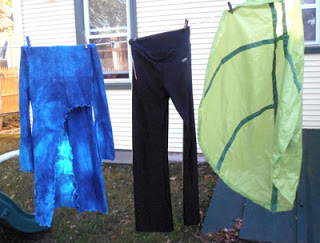
Elements of Super EcoMom costume blowing in the breeze.

In creating this outfit, the key aspect was to be eco-conscious. We had to repurpose items that we already have. Clothes were easy enough: black, body-hugging exercise pants and a shirt that I bought on an impulse once and have never worn. My daughter salivates over this sparkly shirt; she picked it out for my costume, and it does have a lovely “sky” quality about it.

For my superhero cape, I uncovered this leaf from an Ikea product that has not seen the light of day since our last move. I’m glad we can give it new life. And I’m using a clothespin (symbolic of sustainable energy!) to hold it around my neck.

My husband decided I needed headgear, and proposed to use the wreath that hangs on our back door. To add to the nature element, I suppose. I’m going to top it off with some butt-kicking boots I have (that were bought secondhand), the EcoMom logo (crafted from scrap paper and attached to my cape), and face paint – perhaps a mask of leaves?The whole process was probably the most fun I’ve ever had putting together a Halloween costume. And I love that it didn’t cost a penny or add to the landfills. How I will look in it is another question altogether. You’ll all have to wait and see…

Want to green your Halloween costume? Check out these funny DIY costume ideas or these organic, eco-friendly options to buy.

Only four more days left in the 2012 EcoChallenge. Are you going green with your family? What’s your biggest eco challenge?

Shoot me an email and I’ll feature you in my posts.