


Giving back feels good. I’ve done it through most of my adult life, albeit haphazardly. I’ve also held this vision of making regular and generous charitable donations once I become a wildly successful, multi-millionaire writer/blogger/designer. But why not start now? What better place to encourage social action than a family blog on green living?
Inspired by my daughter, I’ve decided to donate a portion of the profits from Eco-Mothering (advertising, sponsored posts, affiliate links, etc.). Every season I’ll choose a charity to receive 5% of the profits made from my blog that quarter with a minimum donation of $25. The focus of my selected charities? The environment, of course, plus animals and children. Those are my passions and the meat of my blog.
Maybe something here will inspire you, too.
Current Charity: Fall 2015
 I can’t remember exactly how I stumbled upon MomsRising, but I was thrilled to find such an organization existed. This growing group of women educates the public and mobilizes grassroots movements around issues facing women, mothers and families.
Some issues they have brought to the forefront (with success wins on the state level) include: fair pay, affordable health care, paid sick days and family leave, healthy food in schools and gun safety. Working online and on-the-ground, MomsRising seeks to change the national dialogue and improve public policy.
Want to help? Anyone can join MomsRising to receive e-alerts and take action on current campaigns via social media. You can also donate or shop their Motherhood Manifesto.
Summer 2015
 Inspired by his years as a Peace Corps volunteer in Sierra Leone, my friend Topher founded The Foundation for West Africa to help the people there. FWA focuses on three main areas—education, health care and community radio stations—to support the residents of Sierra Leone and Liberia emerging from poverty and conflict.
The emergence of independent, local radio stations has become a transformative tool of change in these formerly voiceless West African communities, as shared in the stirring documentary, Leh Wi Tok. In addition to investing in these radio stations, FWA supplies textbooks, helps rebuild schools and libraries, and provides health care equipment.
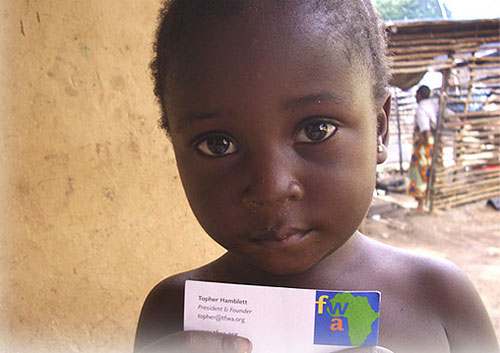
Want to help? You can make a donation via mail or the FWA website.
Spring 2015
 Since my daughter and I share a love of reading, I sought out this season’s charity based on books. First Book provides access to new books for children in need.
Forty-two percent of children in the United States live in low-income households. Most of these children have no age-appropriate books at home, and the classrooms and programs they attend are woefully under-resourced.
First Book has distributed more than 120 million books and educational resources to programs and schools serving children from low-income families throughout the United States and Canada. Studies show that having access to these books improves a child’s interest in reading, desire to learn and educational opportunities.
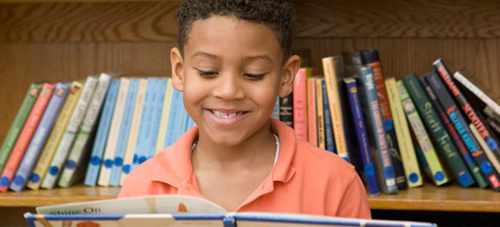
Want to help? You can donate money for the organization to purchase more books. Or you can volunteer by fundraising in your own community or creating a campaign online.
Winter 2015
 I first learned about The Institute for Humane Education (IHE) from a friend who was schooled there. She went on to start her own non-profit for educating people on the humane treatment of animals. IHE believes that education is the key to creating a just, humane, and sustainable world for all people, animals, and the environment. They train, educate, and inspire people to become humane educators or changemakers who live with compassion and integrity while working to solve the most pressing challenges of our time.
Humane education helps people think critically and creatively and experience reverence, respect, and a sense of responsibility for others and for the natural world.
Want to help? There are several ways to give including donations, wills, living trusts and workplace giving. Or you might decide to participate in an Institute for Humane Education workshop or enroll in one of their graduate programs and become an educator yourself.
Fall 2014
 Rainforests are the lungs of our planet. They produce vital oxygen for all of us while providing homes for millions of people and some of the world’s most threatened animals. Yet we are currently losing an acre of rainforest every second for commodities like palm oil, cattle, biofuels, soya, wood and paper.
Rainforest Action Network works with like-minded non-profits, grassroots organizations and other supporters to highlight current environmental issues, often via social media campaigns. They also provide grants to support forest preservation and education in indigenous communities.
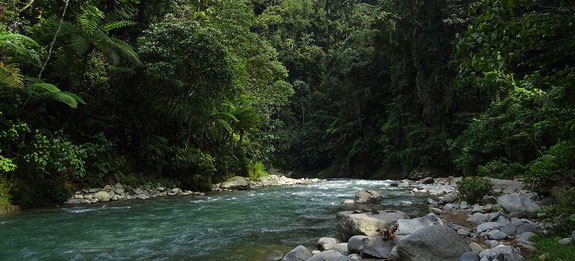
Want to help? Make a donation through membership, planned giving or a memorial gift. You can also make yourself heard by signing a petition for one of their activist campaigns. Current ones include Out of Fashion: A Campaign for Forest-Friendly Fabric and No Conflict Palm Oil, an effort to save the orangutan from extinction.
Summer 2014
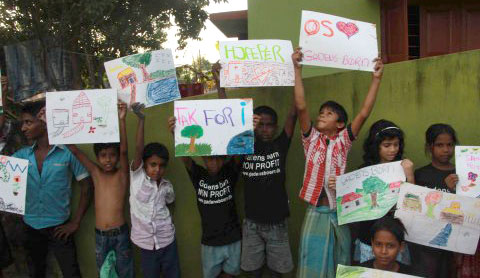
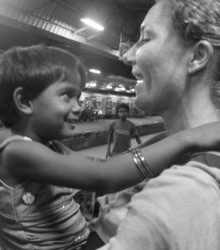 My friend Rupa let me know about The Street Children Organization, an organization that raises funds for homeless children in Calcutta, India. This summer, she elicited donations through a Dance Masala Bhangra charity event, and I promised to support the cause as my summer blog charity.
Boys and girls who are born on the streets or who have run from home due to violence or sexual abuse are now living around the railway stations of Calcutta. With no one to take care of them, these children work in the station or on the streets collecting bottles or small items they can sell.
The Street Children Organization aims to offer children below the poverty line food every day, a health check, caring adult contact, education and choices for a better life. They are currently focusing on the construction of a school and an open shelter for homeless girls.
Learn how you can support them.
Spring 2014
 I’ve always had a special connection to the elephant and consider it my power animal, which was the motivation behind this season’s charity selection.
The Elephant Sanctuary in Hohenwald, Tennessee, is the nation’s largest refuge for old, sick or needy elephants who have been retired from zoos and circuses. With a mission to give elephants the freedom they deserve, The Elephant Sanctuary offers 2700 acres of protected, natural-habitat environments for Asian and African elephants.
Education is a key component of the Sanctuary’s ongoing mission. Since its inception, the Sanctuary’s outreach program has taught thousands of school children across the country a respect for wildlife while learning about the crisis facing Asian and African elephants, both in captivity and in the wild.
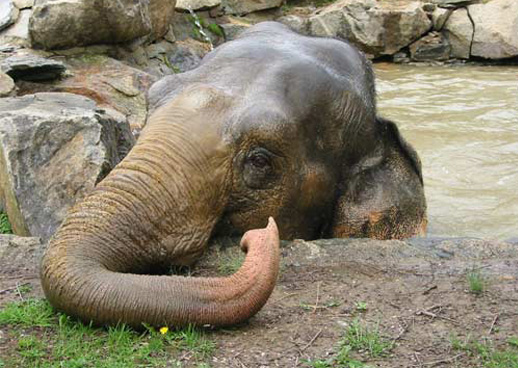
Want to help? You can “adopt” an elephant for $50. Feed an elephant for one day for just $30. Purchase necessary animal supplies from their wish list. Volunteer at the sanctuary.
Winter 2014
 When I was pregnant, I stumbled upon attachment parenting theory, and it just felt right. Read API’s 8 Principles of Parenting.
Attachment Parenting International is a non-profit that promotes education and global awareness of the benefits of secure attachment. They offer parents resources and support for raising children in a respectful and empathic environment in order to foster compassion and connection in our world. Areas of focus include natural child care, positive discipline, non-violent communication and family balance.

Photo: The Memory Box Photography
Want to help? Donate to API or ask to sponsor a specific project. You can also volunteer or become an AP advocate in your community.
Fall 2013
 Since 1970, Save The Bay® has been protecting and restoring New England’s Narragansett Bay in a tiny state that offers 400 miles of coastline. Through advocacy, habitat restoration and educational programming, the environmental organization works toward improving the health of and providing public access to local waters.
Their ongoing projects include salt marsh restoration, dam removal, shoreline cleanups, storm drain marking and on-the-water BayKeeper programs. Save The Bay’s educational programs provide schoolchildren with hands-on science both in and out of the classroom. In 2012 alone, they introduced over 20,000 students to the wonders of marine ecology.
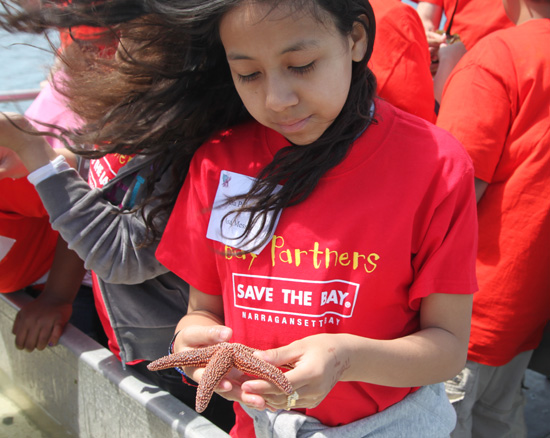
Want to help? Become a member or make a donation. Just $50 can buy a box of microscope slides, so students can study plankton, or 100 plants of Spartina alterniflora, a native salt marsh grass integral to habitat restoration.
Summer 2013
 After stumbling upon it while researching a freelance article, I chose Educate2Envision International (E2E) for my summer charity. E2E is a California-based non-profit that invests in educating and empowering underserved youth, especially girls, in the Honduras. In such rural areas, 82% of children have no access to secondary education. For girls, this leaves them with little options besides early motherhood, making eleven-year-old moms a common sight in rural Honduras.
Through community tutoring centers, technology centers, parent-led libraries and partnerships with community organizations, E2E is working to create the first-generation of high school students in remote Honduran towns. One of their programs—The Girls’ Leadership Club—focuses on young girls who are at the greatest risk of dropping out of school.
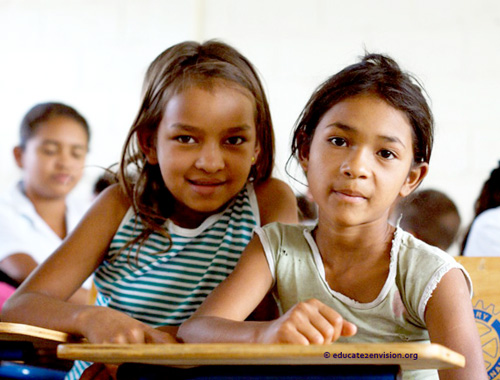
Cited as a Top 10 Social Enterprise for women and girls, E2E provides a network of support for ideas, technology and job skills. The organization hopes to increase access to secondary education, ignite the confidence and leadership skills in these students, and offer support for their ideas and plans for moving beyond the typical life cycle of impoverished developing countries.
Want to help? Besides donating money, you can purchase school supplies or sponsor a student’s education (only $60 for an entire year of schooling!). Read more on how you can give these kids a brighter future.
Spring 2013
 In honor of Earth Day, I’ve selected Earth Day Network (EDN) as this season’s charity. EDN works with over 22,000 partners in 192 countries to “broaden, diversify and mobilize the environmental movement.” More than 1 billion people currently participate in Earth Day activities, making it the largest civic observance in the world. Hooray!
Earth Day Network has a range of concerted efforts and programs. Some of these include: promoting women’s leadership in a green economy (WAGE®), preserving the environment (Save Yasuni), promoting environmental education (National Civic Education Project) and greening all of America’s K-12 schools within a generation.
Want to help? Participate in building a global mosaic for Earth Day (April 22, 2013) by uploading a photo about “The Face of Climate Change.” Sending money is always good, too. Donate to Earth Day Network.
Winter 2013
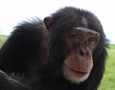
Founded in 1997, Save The Chimps provides support and sanctuary for chimpanzees rescued from laboratories, entertainment and the pet trade. The Florida sanctuary, comprised of 12 islands and a hurricane-proof indoor housing area, is home to nearly 300 chimpanzees. While the use of chimps for biomedical research is on the decline, there are about 1,100 chimps still in captivity in the United States. Chimpanzees are an endangered species and the U.S. is currently, the only western nation to experiment on these animals, our closest living relatives.
 Want to help?
Save The Chimps needs money to maintain the sanctuary and to feed and care for the chimps. Donate now or view their Wish List of items you can send.


















Great idea, Donna! You might inspire me to do something like this…
Awesome!