This is a guest post by Angelo DiGangi.
Want to revamp your home décor in the greenest way possible? Look no further than refinishing an existing piece of furniture. After all, nothing’s more eco-friendly than using what you already have.
Whether you’re repurposing a bookcase from office files to playroom toys, or relocating an old bedroom bureau to serve as entryway storage, sometimes new life can be had with little more than a fresh coat of paint.
Here are some tips for making furniture projects greener from start to finish.
Choose Greener Paint
Starting with an eco conscious paint product will aid your efforts immensely.
YOLO Colorhouse is an EcoOptions certified paint with low-odor and zero VOCs. And because the paint base itself has no VOCs and the colorants used in the tinting process also contain no VOCs, you know you are getting as close to zero VOCs as possible. This is different from other paints that claim to be “VOC free” that, in actuality, are more accurately described as “low VOC” because there are VOCs in the colorants they use.
Once you select a brand, it’s time to select the paint color… which leads us into our next tip.
Stretch those Samples
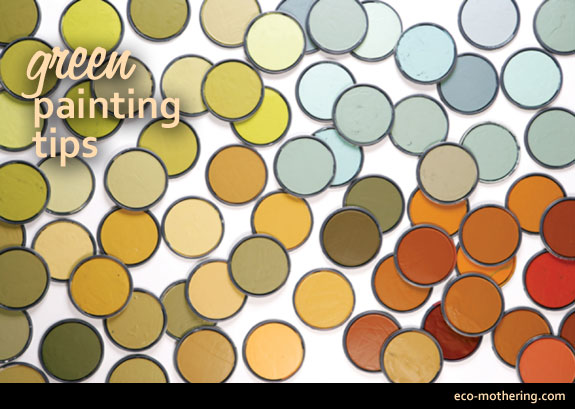
Got leftover paint samples in shades that didn’t make the cut for the walls? Put them to good use in your furniture refinishing projects.
Since you considered these colors for the walls, there’s a good chance the runner-up colors are already fairly similar, or at least complementary, to the selected shade. Moreover, having an accent piece painted in a coordinating tone only enhances the custom feel of a room.
Haute Hardware
 One easy way to update furniture is to give the hardware a makeover. You can avoid the expense of replacing knobs, handles or pulls by simply repainting them.
These silver drawer pulls started out the same shade of brass as the door stops, but a quick sanding with a fine sanding sponge (180 or 220 grit) and a couple of light coats of metallic spray paint shaved off decades of décor decay, and brought a modern feel to this old-fashioned hardware.
Reduce Waste
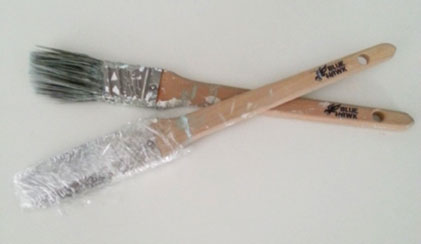
When you are in between coats of paint—or if you need to step away from the project for a short amount of time—don’t wash your brush (thereby wasting time, energy and water). Instead, place it in a piece of plastic wrap, and squeeze out all of the air as you wrap the plastic around the brush tightly. When you’re ready to resume, simply unwrap the brush and continue.
When nearing the end of a gallon of paint, use as much of it as possible (perhaps by painting the outside of the can itself) and allow the rest to dry in the can. Repurpose the empty can by drilling drainage holes in the bottom and turning it into a creative planter for your garden.
What are some of your favorite tips for greener painting projects?
About the Author: Angelo DiGangi, a Home Depot sales associate in the Chicago suburbs, is a frequent contributor on DIY painting and craft supplies for Home Depot’s website.