


A year ago, diabetes was something I had no connection with. Like many other diseases and afflictions, it was something that happened to “other people.” Then last December my two-year-old niece was hospitalized with what seemed like a bad virus. She was diagnosed with type 1 diabetes.
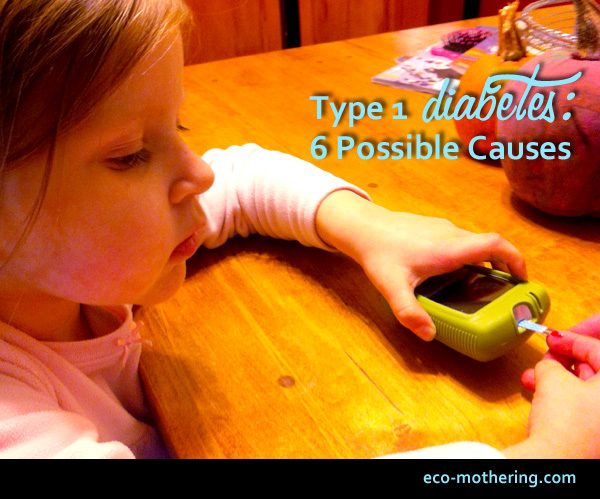
Since November is National Diabetes Awareness Month, I wanted to post about this fast-growing disease and its mysterious origins. Type 1 (formerly called juvenile diabetes) usually strikes in childhood, and, unlike type 2 (often related to genetics and/or unhealthy behavior), it has no discernible cause.
Not only that, the incidence of type 1 diabetes is rising dramatically worldwide, particularly among children under the age of 5. The fast rise (about 3-5% per year in the last 35 years) suggests that the causes are environmental since genetics do not change that quickly.

Diabetes occurs when the body has a sudden inability to deploy insulin and keep blood sugar from rising. Type 1 is considered an autoimmune disease because the body attacks its own insulin-making cells. The disease can only be controlled with daily doses of insulin. I (nervously!) administered doses of insulin to my niece Kat this summer.
As an eco-minded person, I am curious about the potential environmental causes of type 1. An article in Scientific American lists some possible hypotheses, as does U.S. News and World Report. Although none of the research is solid yet, I mention them here for my readers who are already focused on environmental connections with their children.
6 Possible Causes Behind Type 1 Diabetes
- Being overweight or growing too big too fast. Quick growth overstresses the body and could cause type 1 in children who are already susceptible to the disease.
- Being too clean. Used to explain the increase in childhood allergies, the “hygiene hypothesis” suggests that living hygienically deprives kids of early exposure to bacteria and infections that teaches the immune system how to handle itself.
- Not enough sunshine. Research shows a pattern of very low diabetes rates in sun-loving countries along the equator. And with today’s kids spending more time indoors, they don’t get their necessary doses of vitamin D.
- Too much gluten (wheat protein). The amount of gluten in highly processed foods consumed by people has increased over the decades.
- Too much cow’s milk. Research has already linked breastfeeding with lower rates of type 1. Now studies suggest infant formula containing cow’s milk might interfere with a baby’s autoimmune system.
- Too much pollution. Also known as the “POP hypothesis.” Environmental contaminants from pesticides, plastics, pharmaceuticals, etc. are stored in body fat and can interfere with the developing autoimmune system. Research already shows a correlation between exposure to pollutants and type 2 diabetes.
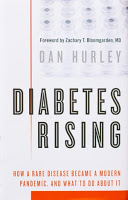
Several of these hypotheses are discussed in the book “Diabetes Rising: How a Rare Disease Became a Modern Pandemic, and What To Do About It” by Dan Hurley, a medical journalist who lives with type 1 diabetes himself. His book also explores emerging remedies.
While my research for this post has only touched the tip of this disease, it’s enough to fill me with more compassion for my brave three-year-old niece who deals daily with blood sugar testing, counting carbohydrates and receiving insulin doses…and will for the rest of her life.
Visit the Juvenile Diabetes Research Foundation website to learn about the warning signs of type 1 diabetes, efforts toward prevention and ways you can help.
This post is featured on Thank Your Body Thursday and Wellness Wednesday.























I really like your blog.. very nice colors & theme. Did you design this website
yourself or did you hire someone to do it for you?
Plz reply as I’m looking to construct my own blog and would like to find out where u got this from. appreciate it
Randolph,
This is a WordPress template (Mantra) that I customized. Thanks for reading!
My youngest (of 7) was diagnosed with type 1 four years ago, at the age of nine.
We can rule out all of these but sunshine and gluten. I am in the process of moving us to Hawaii, for health’s sake. I have my own issues with auto-immune disorders as well. Which probably contributed to my son’s development of diabetes.
As an aside, our family doctor just diagnosed himself this winter with type 1. He’s the most forward thinking and health conscious Dr. I’ve ever known. Does everything right. Hmmm… he also lives where I live, at latitude 62. I think the strongest tie in in that.
Type 1 treatment must be continued indefinitely in all cases. Treatment should not significantly impair normal activities but can be done adequately if sufficient patient training, awareness, appropriate care, discipline in testing and dosing of insulin is taken. However, treatment remains quite burdensome for many people. Complications may be associated with both low blood sugar and high blood sugar, both largely due to the nonphysiological manner in which insulin is replaced. *.^:
My web site <http://www.healthmedicinejournal.comeb