Top 5 Indoor Plants for Improving Air Quality
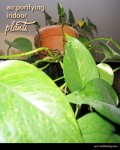
Now that a late autumn chill has set in, your house windows are likely shut. Unbeknownst to you, this traps you indoors alongside a host of invisible pollutants with scary-sounding names: benzene, trichloroethylene, formaldehyde, xylene, ethyl acetate, acetone and chloroform. These are just some of the chemicals present in household items from furniture and carpet to everyday cleaners and toilet paper. The first three, particularly, can trigger asthma, allergies and cancer. So what can you do to improve your indoor air quality? Easy—add plants. Many of them are natural air purifiers, including these common (and easy to care for) top five. Heart Leaf Philodendron (Philodendron oxycardium) This workhorse plant (pictured above) clears out a variety of VOCs, especially formaldehyde, which is lurking in particleboard and other furniture components. Warning: The plant leaves are toxic if eaten, so keep away from kids and pets. Tips on caring for Heart Leaf Philodendron. Aloe Vera … Continue reading